
Electric vehicles, commonly known as EVs, are rapidly transforming the automotive industry. From Tesla and BYD to BMW, Mercedes-Benz, Hyundai, and Proton, almost every major car manufacturer is investing heavily in electric mobility.
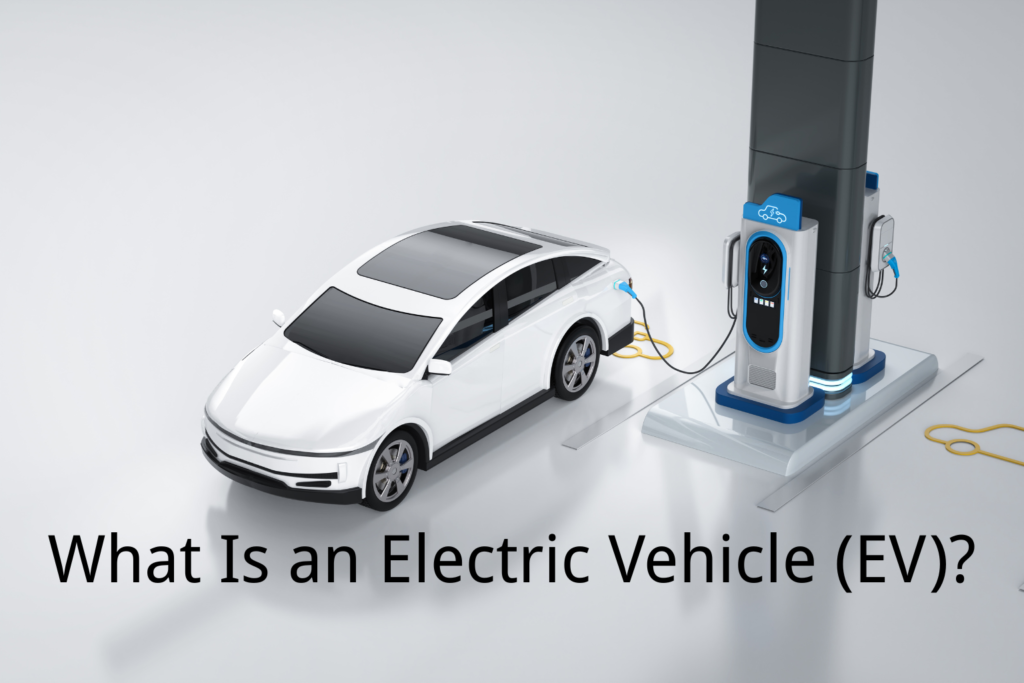
Governments around the world are encouraging EV adoption through tax incentives, charging infrastructure, and environmental policies. As battery technology improves and charging stations become more accessible, electric vehicles are becoming a realistic option for millions of drivers.
But what exactly is an electric vehicle, and how does it differ from a traditional petrol-powered car?
This guide explains everything beginners need to know about electric vehicles, including how they work, charging methods, battery technology, advantages, disadvantages, and whether an EV is right for you.
30-Second Answer
An electric vehicle (EV) is a car powered entirely or partially by electricity instead of a traditional internal combustion engine.
Unlike petrol or diesel vehicles, EVs use:
- Electric motors
- Rechargeable batteries
- Power electronics
- Charging systems
Electric vehicles can be charged at home or at public charging stations and produce little or no tailpipe emissions.
What Is an Electric Vehicle?
An electric vehicle is a vehicle that uses electricity as its primary source of power.
Instead of burning fuel inside an engine, an EV stores electrical energy in a battery pack and uses electric motors to drive the wheels.
Compared with traditional cars, electric vehicles contain fewer moving parts and generally require less maintenance.
Today, electric vehicles come in many forms, including:
- Battery Electric Vehicles (BEVs)
- Plug-in Hybrid Electric Vehicles (PHEVs)
- Hybrid Electric Vehicles (HEVs)
Each type uses electricity differently.
How Does an Electric Vehicle Work?
An electric vehicle works by storing energy inside a large battery pack.
When the driver presses the accelerator pedal, electricity flows from the battery to the electric motor.
The motor converts electrical energy into mechanical energy, which turns the wheels and moves the vehicle.
The main components of an EV include:
- Battery pack
- Electric motor
- Inverter
- Charging port
- Power electronics
- Cooling system
Unlike petrol engines, electric motors deliver maximum torque almost instantly, providing smooth and rapid acceleration.
Main Components of an EV
Battery Pack
The battery pack is the heart of every electric vehicle.
Most modern EVs use lithium-ion batteries because they offer:
- High energy density
- Fast charging capability
- Long lifespan
- Lightweight construction
Battery capacity is measured in kilowatt-hours (kWh).
The larger the battery capacity, the greater the driving range.
Electric Motor
The electric motor converts electricity into movement.
Compared with traditional engines, electric motors are:
- More efficient
- Quieter
- Simpler
- Faster in acceleration
Many EVs can accelerate from 0–100 km/h faster than comparable petrol vehicles.
Inverter
The inverter converts direct current (DC) stored in the battery into alternating current (AC) used by the motor.
It also controls power delivery and efficiency.
Charging Port
The charging port allows the EV to connect to home chargers or public charging stations.
Modern EVs support multiple charging methods, including slow AC charging and fast DC charging.
Types of Electric Vehicles
Electric vehicles are generally divided into three categories.
Battery Electric Vehicle (BEV)
Battery Electric Vehicles run entirely on electricity.
They do not have a petrol engine.
Examples include:
- Tesla Model 3
- Tesla Model Y
- BYD Seal
- BYD Atto 3
- Hyundai IONIQ 5
- Kia EV6
- Proton e.MAS 7
BEVs produce zero tailpipe emissions.
Plug-in Hybrid Electric Vehicle (PHEV)
Plug-in Hybrid Electric Vehicles combine:
- An electric motor
- A battery pack
- A petrol engine
PHEVs can drive short distances using electricity before switching to petrol power.
Hybrid Electric Vehicle (HEV)
Hybrid vehicles combine a petrol engine with a smaller battery and electric motor.
Unlike PHEVs, most hybrids cannot be plugged in for charging.
Instead, they recharge automatically while driving.
Examples include:
- Toyota Corolla Hybrid
- Toyota Camry Hybrid
- Honda CR-V Hybrid
EV Charging Malaysia Guide (2026): Cost, Time & Home Charging
How Do Electric Cars Charge?
Unlike petrol cars, which need fuel stations, electric vehicles recharge their batteries using electricity.
There are two main charging methods available today:
- AC charging
- DC fast charging
The charging speed depends on the charger, battery size, and the vehicle itself.
AC Charging
AC charging is the most common charging method for daily use.
Most EV owners charge their cars at:
- Home wall chargers
- Residential charging points
- Shopping malls
- Office buildings
- Hotels
AC charging is slower but generally cheaper and healthier for the battery in the long run.
Typical charging speeds:
| Charger Type | Power Output | Charging Time |
|---|---|---|
| Standard Home Socket | 2–3 kW | 20–30 hours |
| Home Wallbox | 7–11 kW | 6–10 hours |
| Public AC Charger | 11–22 kW | 4–8 hours |
Many EV owners simply plug in their vehicles overnight and wake up with a fully charged battery.
DC Fast Charging
DC charging delivers electricity directly to the battery, allowing much faster charging speeds.
DC fast chargers are commonly found at:
- Highway rest stops
- EV charging hubs
- Petrol stations
- Shopping centers
Typical charging speeds:
| Charger Type | Power Output | Charging Time |
|---|---|---|
| DC Fast Charger | 50 kW | 45–60 minutes |
| High-Speed Charger | 120–180 kW | 20–40 minutes |
| Ultra-Fast Charger | 250–350 kW | 15–30 minutes |
Many modern EVs can charge from 10% to 80% in less than 30 minutes.
How Far Can an EV Travel?
Driving range depends on several factors, including:
- Battery capacity
- Vehicle weight
- Driving habits
- Weather conditions
- Tire pressure
- Road conditions
Typical ranges for modern electric vehicles:
| Vehicle Type | Estimated Range |
|---|---|
| Small EV | 250–350 km |
| Mid-Size EV | 400–550 km |
| Premium EV | 500–700 km |
Some high-end electric vehicles can exceed 700 kilometers on a single charge.
However, actual range may vary depending on traffic, air conditioning use, and driving speed.
Advantages of Electric Vehicles
Electric vehicles offer many benefits over traditional petrol-powered cars.
Lower Running Costs
Electricity is generally cheaper than petrol or diesel.
EV owners can save money on:
- Fuel costs
- Engine oil changes
- Transmission maintenance
- Exhaust repairs
Instant Torque
Electric motors produce maximum torque almost instantly.
Benefits include:
- Faster acceleration
- Smoother driving
- Better response in city traffic
Lower Maintenance
Electric vehicles contain fewer moving parts.
They do not require:
- Engine oil changes
- Spark plug replacements
- Timing belt replacements
- Exhaust maintenance
Quiet Operation
EVs are significantly quieter than petrol vehicles.
This creates:
- Less cabin noise
- Better comfort
- Reduced noise pollution
Reduced Emissions
Battery electric vehicles produce zero tailpipe emissions.
This helps reduce:
- Air pollution
- Carbon emissions
- Urban noise pollution
Disadvantages of Electric Vehicles
Although EVs have many advantages, there are still some drawbacks.
Higher Purchase Price
Electric vehicles often cost more than comparable petrol vehicles, although prices are gradually falling.
Charging Time
Refueling a petrol car takes only a few minutes.
Charging an EV may require:
- 30 minutes at a fast charger
- Several hours at home
Charging Infrastructure
Charging networks continue to expand, but public chargers are still less common than petrol stations in many regions.
Battery Degradation
Like smartphones, EV batteries gradually lose capacity over time.
Modern batteries are designed to last many years, but some degradation is inevitable.
Range Anxiety
Some drivers worry about running out of battery before reaching a charger.
However, this concern is becoming less significant as charging infrastructure improves.
Is an Electric Vehicle Right for You?
Whether an electric vehicle is the right choice depends on your lifestyle, driving habits, and budget.
An EV may be a good option if you:
- Drive mainly in the city
- Have access to home charging
- Want lower running costs
- Prefer quieter driving
- Want to reduce your environmental impact
However, a petrol or hybrid vehicle may still be more suitable if you:
- Frequently travel long distances
- Live in areas with limited charging infrastructure
- Need quick refueling
- Have a limited budget
Before buying an EV, consider your daily driving needs and charging options.
Common Myths About Electric Vehicles
Many misconceptions still surround electric vehicles.
Myth 1: EVs Have Very Short Range
Modern electric vehicles can typically travel between 400 and 700 kilometers on a single charge.
For most drivers, this is more than enough for daily use.
Myth 2: EV Batteries Need Frequent Replacement
Most manufacturers provide battery warranties ranging from 8 to 10 years.
Modern lithium-ion batteries are designed to last hundreds of thousands of kilometers.
Myth 3: EVs Are Slow
Electric motors provide instant torque, allowing many EVs to accelerate faster than traditional petrol cars.
Some electric vehicles can accelerate from 0 to 100 km/h in under four seconds.
Myth 4: Charging Is Difficult
Home charging makes EV ownership convenient for many people.
Public charging networks are also expanding rapidly around the world.
The Future of Electric Vehicles
Electric vehicles are expected to play a major role in the future of transportation.
Several trends are shaping the EV industry:
- Faster charging technology
- Longer battery range
- Lower battery costs
- Improved charging infrastructure
- Autonomous driving systems
- Vehicle-to-grid technology
Many countries have already announced plans to reduce or phase out petrol and diesel vehicles in the coming decades.
As battery technology continues to improve, electric vehicles will become more affordable and accessible.
Conclusion
An electric vehicle (EV) is a vehicle powered by electricity instead of traditional fuel.
By using rechargeable batteries and electric motors, EVs offer:
- Lower operating costs
- Instant acceleration
- Reduced maintenance
- Quiet driving
- Lower emissions
Although challenges such as charging infrastructure and battery costs still exist, electric vehicles are becoming increasingly practical for everyday drivers.
Whether you’re considering your first EV or simply want to understand the technology, learning how electric vehicles work is the first step toward the future of mobility.
Frequently Asked Questions (FAQ)
What does EV stand for?
EV stands for Electric Vehicle.
Do electric vehicles use petrol?
Battery electric vehicles do not use petrol, while hybrid and plug-in hybrid vehicles may still use fuel.
How long does an EV battery last?
Most EV batteries are designed to last between 8 and 15 years, depending on usage and maintenance.
Can I charge an EV at home?
Yes. Most EV owners charge their vehicles using a home charging station or wall charger.
Are electric vehicles cheaper to maintain?
Yes. Electric vehicles generally require less maintenance because they have fewer moving parts than petrol vehicles.
How long does it take to charge an EV?
Charging times vary depending on the charger type. It can take anywhere from 20 minutes to overnight.
Best EV Cars in Malaysia (2026): Prices, Range & Buying Guide
Pingback: EV vs Hybrid vs Petrol: Which One Should You Choose in 2026?
Pingback: Can EVs Drive Through Floods? Everything You Need to Know
Pingback: EV Maintenance Cost: Complete Guide to EV Service Costs