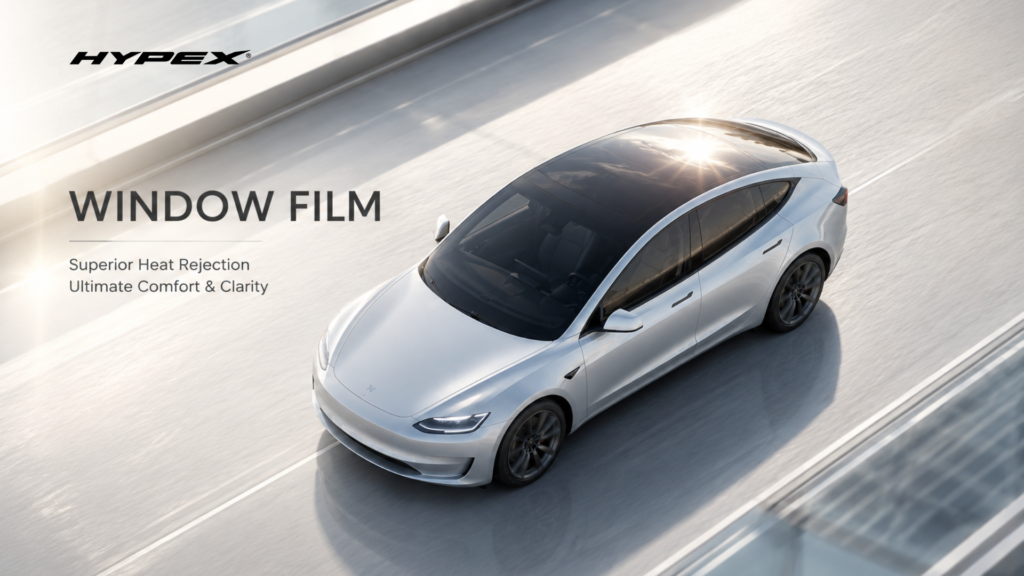
Window tint is one of the most popular upgrades for Malaysian vehicles. Besides improving appearance, quality window film helps reduce heat, block UV rays and improve driving comfort.
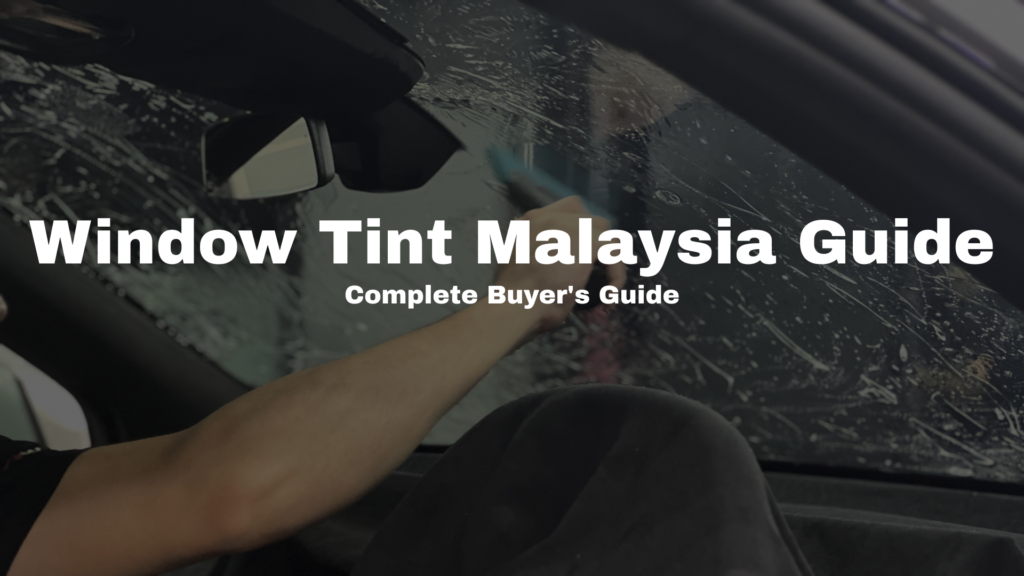
With dozens of tint brands and technologies available, choosing the right window tint can be confusing.
This guide explains everything Malaysian car owners need to know before installing window film.
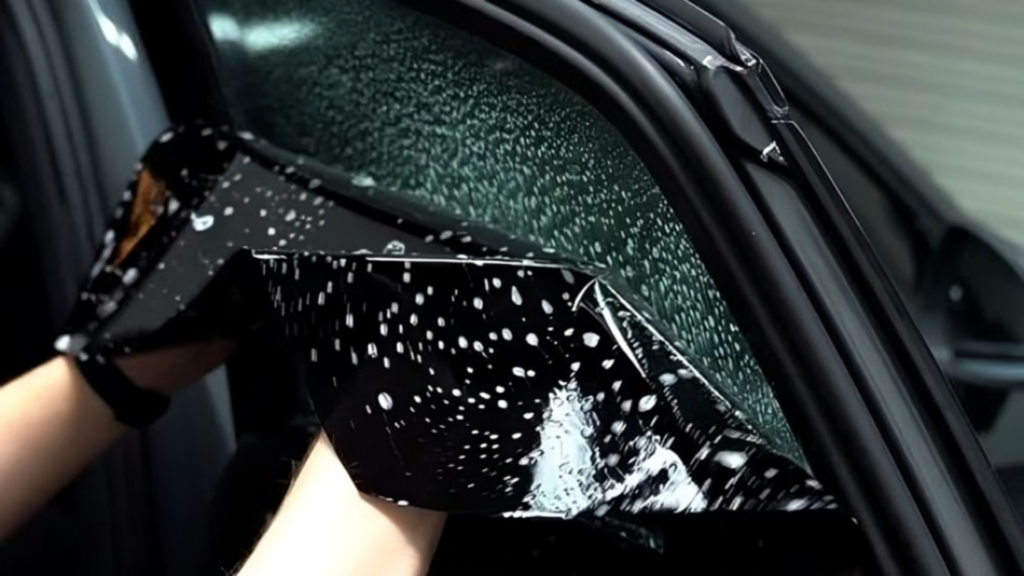
What Is Window Tint?
Window tint is a thin film applied to vehicle glass.
Modern automotive window films are designed to:
- Reduce heat
- Block UV rays
- Improve privacy
- Reduce glare
- Enhance comfort
Different tint technologies offer different levels of performance.
Benefits Of Window Tint
1. Heat Reduction
Malaysia’s hot climate makes heat rejection one of the most important benefits.
Quality window tint can significantly reduce cabin temperatures.
2. UV Protection
Most premium films block up to 99% of harmful UV rays.
This helps protect:
- Skin
- Interior plastics
- Leather seats
- Dashboard surfaces
3. Improved Comfort
A cooler cabin improves driving comfort and reduces air-conditioning workload.
4. Better Privacy
Tinted windows make it harder for outsiders to see inside the vehicle.
5. Reduced Glare
Window film reduces glare from sunlight and headlights.
Types Of Window Tint
Dyed Film
Advantages:
- Affordable
- Basic privacy
Disadvantages:
- Lower heat rejection
- Shorter lifespan
Metalized Film
Advantages:
- Better heat rejection
Disadvantages:
- May interfere with GPS, SmartTag and mobile signals
Carbon Film
Advantages:
- Good heat rejection
- Signal friendly
Disadvantages:
- More expensive than dyed film
Ceramic Film
Advantages:
- Excellent heat rejection
- No signal interference
- High durability
Disadvantages:
- After prolonged exposure to sunlight and the ceramic material becomes saturated with heat, some heat will radiate back into the vehicle interior.
Sputter Film
Advantages:
- Extremely strong heat insulation performance
- Utilizes reflective heat insulation
Disadvantages
- it may interfere with electronic signals such as SmartTAG, RFID, GPS, and mobile reception.
Understanding Tint Specifications
VLT (Visible Light Transmission)
Measures how much visible light passes through the glass.
Lower VLT means darker tint.
UVR (Ultraviolet Rejection)
Measures UV protection.
Most premium films offer up to 99% UV rejection.
IRR (Infrared Rejection)
Measures the ability to reject infrared heat.
Higher IRR generally means better heat reduction.
TSER (Total Solar Energy Rejected)
One of the most important measurements.
TSER reflects overall heat rejection performance.
Malaysia JPJ Tint Regulations
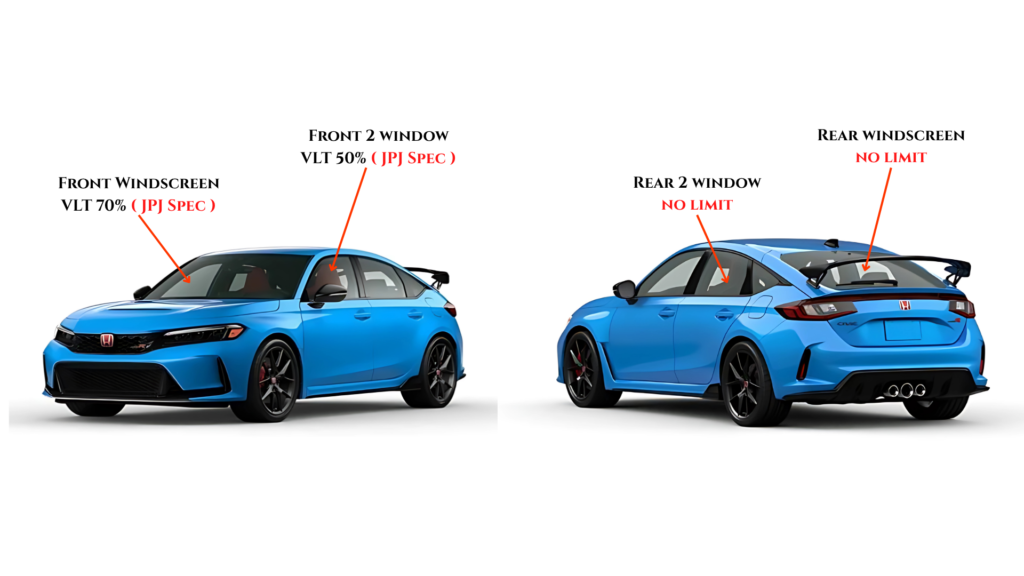
Current JPJ regulations generally require:
- Front Windscreen: Minimum 70% VLT
- Front Side Windows: Minimum 50% VLT
- Rear Side Windows: No minimum requirement
- Rear Windscreen: No minimum requirement
Always verify current regulations before installation.
How Much Does Window Tint Cost In Malaysia?
Typical pricing:
- Entry-Level Films: RM300 – RM600
- Mid-Range Films: RM600 – RM1000
- Premium Ceramic Films: RM1000 – RM1500
- Sputter Films: RM1500 – RM 3000+
Pricing depends on:
- Vehicle size
- Film technology
- Warranty
- Installer quality
How To Choose The Right Window Tint
Consider:
- Heat rejection performance
- TSER rating
- UV protection
- Warranty coverage
- Installer reputation
Do not focus solely on darkness.
A lighter premium ceramic film may outperform a darker budget film.
Window Film Q&A
What is the difference between VLT, IRR, and TSER?
These are the three core metrics of window film performance:
- VLT (Visible Light Transmission): The percentage of visible light that passes through the glass. Lower VLT means a darker tint.
- IRR (Infrared Rejection): The percentage of infrared rays (the main source of solar heat felt on the skin) blocked by the film.
- TSER (Total Solar Energy Rejection): The most accurate measure of overall heat rejection, calculating the total percentage of combined solar energy (UV, visible light, and infrared) that the film blocks.
How do I know if a window film complies with JPJ regulations in Malaysia?
According to current Malaysian JPJ regulations, the Visible Light Transmission (VLT) standards vary depending on the window glass. The front windshield must have a minimum VLT of 70%, while the front driver and passenger side windows must have a minimum VLT of 50%. The rear side windows and rear windshield are allowed to have 0% VLT (fully dark). When choosing a film, always verify these percentage specifications to ensure hassle-free roadblock and inspection passes.
How should I care for my new window tint immediately after the installation?
To ensure perfect film bonding, we strictly advise not winding down your car windows for at least 48 or 72 hours after installation. Additionally, please do not switch on your rear windshield defroster or clean the inner surface of the glass for the first 7 days. Any slight water moisture or minor haziness you see will dry up and disappear automatically under the sun within a week.
Do window films interfere with GPS, SmartTAG, or mobile phone signals?
It depends entirely on the film’s chemical construction. Traditional metallic or sputtered films contain microscopic metal particles that reflect heat, but they can also block electromagnetic waves, potentially disrupting SmartTAG devices, RFID tags, GPS navigation, and mobile signals. Modern nano-ceramic or carbon-based films are 100% metal-free and provide excellent heat rejection without any signal interference.
Why do some car tints develop bubbles and turn purple over time?
Bubbling and color fading are classic signs of film degradation, usually occurring in lower-grade dyed films. Over time, constant exposure to intense UV rays and heat breaks down the cheap adhesives, causing the film to separate from the glass and form air bubbles. The purple tint happens when the cheap dyes decompose under solar radiation, losing their original optical balance.
Can premium window films provide both exterior privacy and clear visibility at night?
Yes. High-quality window films utilize advanced optical-grade polyester bases. They are engineered to provide a dark, reflective appearance from the outside to protect your cabin privacy under bright daylight, while maintaining high internal optical clarity. This ensures your outward view remains crisp, sharp, and safe even during heavy night rain or when dealing with oncoming headlight glare.
How long does a standard full-car window tint installation typically take?
A professional installation for a standard sedan or SUV generally takes between 2 to 3 hours. This timeframe includes precise glass cleaning, film preparation, heat shrinking, and careful application. However, if your vehicle currently has an old tint that needs to be removed, the process can take an additional 1 to 2 hours to safely scrape off the old film and dissolve the stubborn leftover glue residue without damaging the glass or rear defroster lines.
What causes the slight haziness or water bubbles right after installation?
This is a completely normal part of the curing process. During installation, a squeegee is used to press out the mounting solution, but a microscopic layer of moisture always remains trapped between the film and the glass. This can temporarily look like faint haziness, water pockets, or tiny bubbles. As the vehicle is exposed to the sun, this moisture will naturally evaporate, and the film will tighten completely flat within 1 to 3 weeks.
What are the vital maintenance rules immediately after installing new window film?
To ensure proper bonding and prevent shifting, you should strictly avoid rolling down your windows for at least 48 to 72 hours after installation. Do not turn on the rear windshield defroster grid for the first week, as the heat can disturb the drying adhesive. When cleaning the inside of your windows later on, always use a soft microfiber cloth and ammonia-free cleaner; harsh chemicals and abrasive pads will scratch and permanently damage the film’s protective top-coat.
What are the differences between sputter films and ceramicfilms?
- Sputter Window Film (Metallic / Magnetron Sputtering):
- Mechanism: Uses heat reflection. It utilizes advanced technology to sputter microscopic layers of precious metals (such as gold, silver, or copper) onto the film, acting like a mirror to directly reflect solar heat away from the vehicle.
- Pros & Cons: Offers extremely powerful and long-lasting heat rejection, but because it contains metal particles, it may interfere with electronic signals such as SmartTAG, RFID, GPS, and mobile reception.
- Ceramic Window Film (Nano-Ceramic):
- Mechanism: Uses heat absorption. It infuses nano-ceramic particles into the film layers to absorb and trap solar heat within the glass instead of reflecting it.
- Pros & Cons: It is 100% metal-free, meaning it guarantees zero signal interference (100% friendly to SmartTAG, RFID, and GPS). However, during prolonged parking under intense sun, once the ceramic particles become saturated with heat, some thermal energy will eventually radiate inward into the cabin.
Final Verdict
Window tint remains one of the most practical upgrades for Malaysian vehicles.
Choosing the right film can improve comfort, reduce heat and enhance the driving experience for years.
Focus on performance specifications, warranty coverage and installer quality rather than price alone.
Need Professional Window Tint Installation?
HYPEX Detailing Services provides professional automotive window film solutions with high heat rejection, UV protection and long-term warranty coverage.
Contact us to find the right tint package for your vehicle.